Struggling to find toys that are both fun and developmental? You might overlook the classic rocking horse, missing its powerful benefits. My journey showed me their true potential.
After years in the toy industry, I realized a well-designed rocking horse was more than just a product. It was a crucial tool for a child's balance, coordination, and imagination1. This insight inspired me to focus on creating rocking horses with developmental purpose2 at their core.
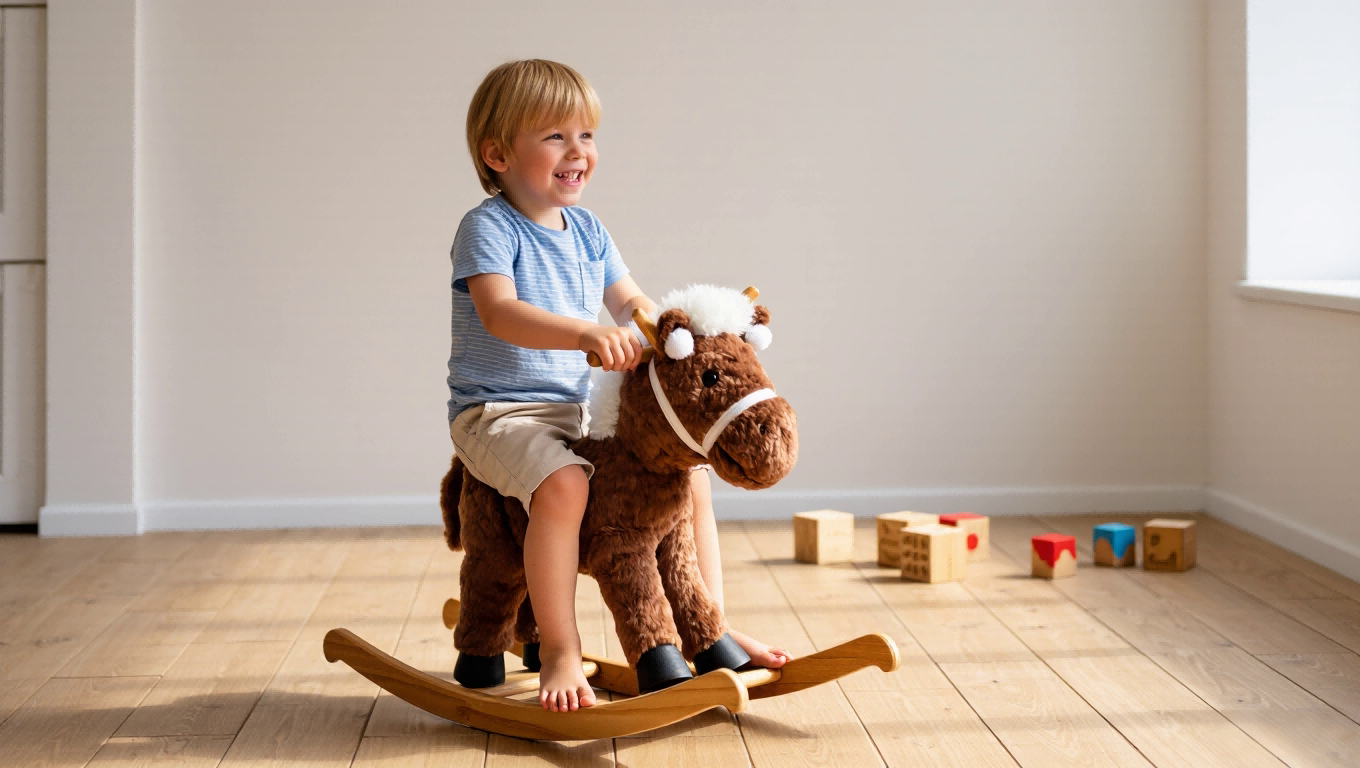
That realization changed everything for me. It wasn't just about selling another toy. It was about engineering a child's first steps into a bigger world of movement and imagination1. I learned that what looks like a simple product is actually a complex piece of engineering designed for safety and growth. You might be surprised by how much thought goes into it. Let's explore what makes a rocking horse more than just a toy.
Why is a rocking horse more than just a fun toy?
Overwhelmed by countless toy options? Many offer fleeting fun but little else. A great rocking horse, however, is a timeless tool that actively supports your child’s early development.
A rocking horse is more than a toy because it actively engages a child's core muscles, balance system, and imagination1. The rhythmic motion is soothing, while the act of "riding" encourages creative play, making it a powerful tool for both physical and cognitive growth.
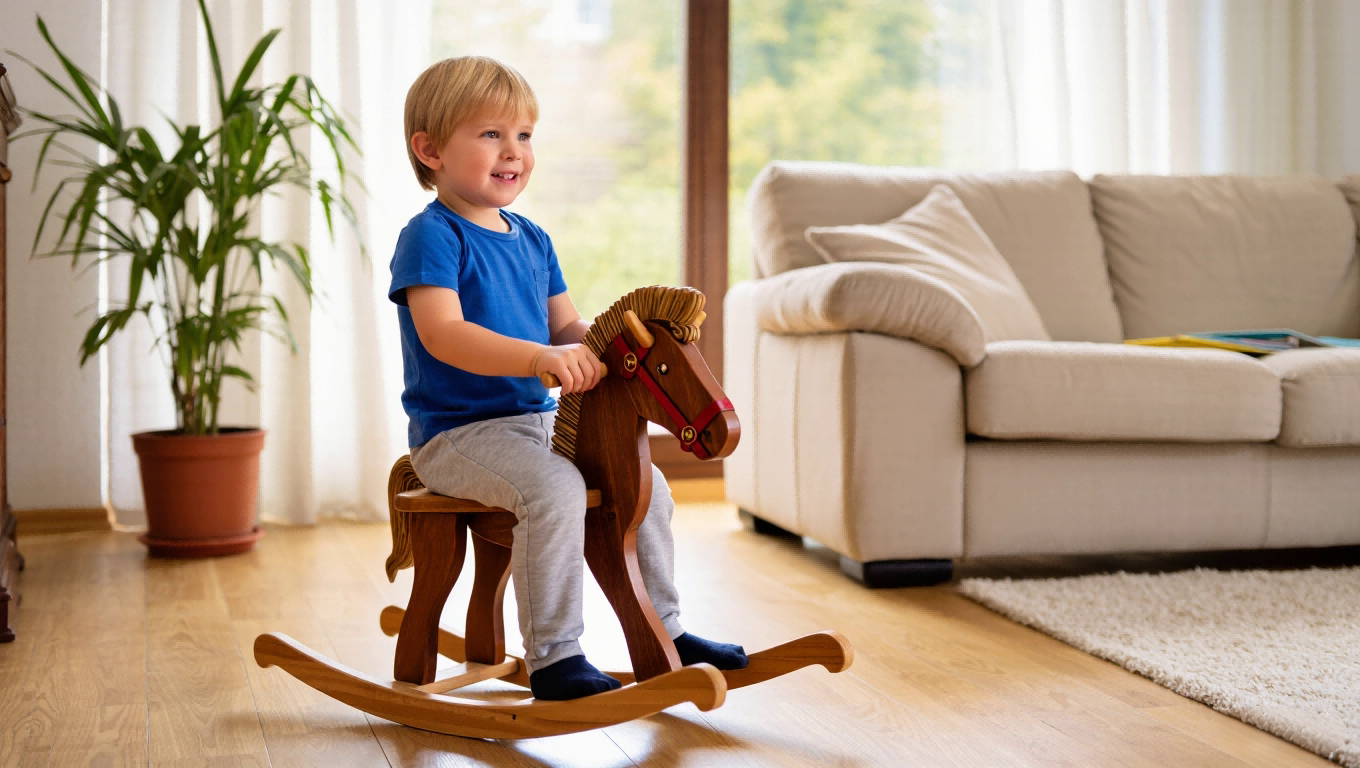
Based on my 20 years of exporting toys to over 30 countries, I’ve seen the proof firsthand. A rocking horse is an active partner in a child’s development. It’s not a passive screen or a toy that does the work for them. The child has to use their own body to make it move. This simple action has profound benefits.
Physical Development
The back-and-forth motion isn't just for fun; it's a workout for the vestibular system3, located in the inner ear. This system is responsible for our sense of balance. As a child rocks, they are constantly making micro-adjustments to stay upright, which strengthens this system. I’ve received feedback from parents in Europe and North America who noticed their toddlers walking with more confidence after regularly playing on a rocking horse. It also builds core strength and gross motor skills4 as they use their legs to push and their arms to hold on.
Cognitive and Emotional Growth
The real magic happens in a child's imagination1. A rocking horse is rarely just a rocking horse. One day it’s a stallion galloping across the plains, and the next it’s a spaceship exploring the galaxy. This imaginative play is crucial for cognitive development5. The gentle, repetitive rocking can also be incredibly soothing for a toddler, helping them learn to self-regulate their emotions.
Here’s a simple breakdown of its power:
| Developmental Area | How Rocking Horses Help |
|---|---|
| Gross Motor Skills | Strengthens leg and core muscles for pushing and balancing. |
| Vestibular System | The rocking motion stimulates the inner ear, improving balance. |
| Imaginative Play | Becomes a horse, a spaceship, or a motorcycle in a child's mind. |
| Emotional Comfort | The steady rhythm can be calming and help a child self-soothe. |
What makes a rocking horse safe and high-quality?
Worried about your child's safety with ride-on toys? A cheap rocking horse can be a real hazard. I focus on key design features and materials to ensure every ride is secure.
A high-quality, safe rocking horse has a low center of gravity, anti-tip stoppers6, and smooth, rounded edges. It's made from non-toxic materials7 and complies with international safety standards like EN71 and ASTM F9638. Quality construction ensures it withstands years of active play.
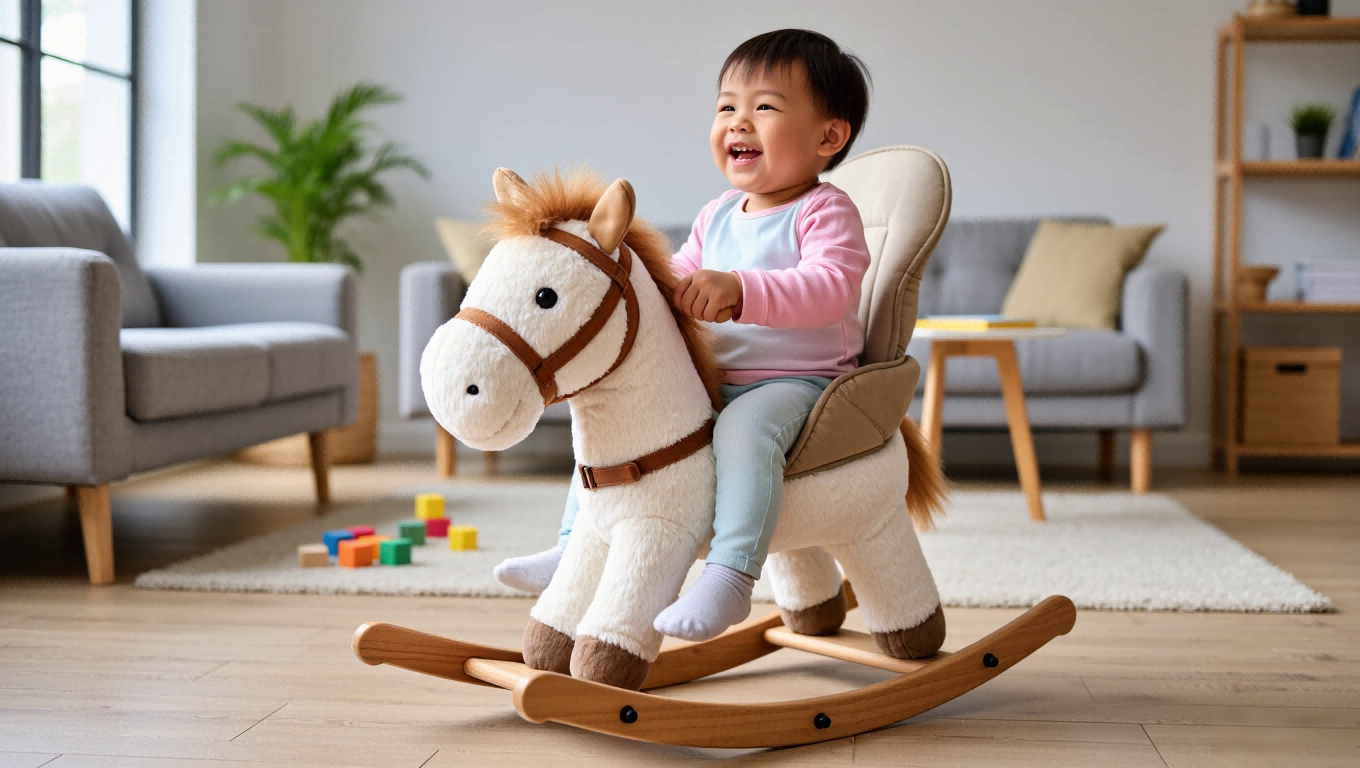
When I first started sourcing from different factories, I saw a huge gap in quality. Many products looked the same on the surface but were completely different in performance and safety. This is what led my company, YOOMAN, to partner with our own factory, Hebei Serawheel. We wanted full control over the engineering to guarantee safety.
Key Safety Features
A safe design is non-negotiable. The base of the rocker should be wide, and the center of gravity must be low to prevent tipping. The most critical feature is the anti-tip stopper at the end of each rocker. This small piece of wood or plastic prevents the horse from rocking too far forward or backward, which is a common cause of accidents. Handles must be easy for small hands to grip securely, and all edges must be rounded and smooth to prevent cuts or splinters.
Material and Fabric Choices
Materials matter for both safety and durability. Whether it's solid wood or a plush model, all materials must be non-toxic. This means the paints, varnishes, and dyes must comply with standards like CE and ROHS. For our plush rocking horses, we offer customization of fabrics and stitching. This isn't just about looks. We select durable fabrics that can withstand active play and are gentle on a child's skin. At YOOMAN, our on-site QC team inspects every batch to ensure these standards are met, turning basic models into export-grade products that meet strict Western requirements.
Here are the checks we always perform:
| Safety Check | What We Look For | Why It Matters |
|---|---|---|
| Stability Test | It won't tip over easily when a child leans. | This prevents the most common falls and injuries. |
| Material Safety | Non-toxic paints, fabrics, and plastics (EN71, ASTM F963). | This protects children from harmful chemicals. |
| Structural Integrity | No sharp edges, secure handles, and strong construction. | This avoids cuts, splinters, and breakage during use. |
| Stopper Design | It limits the rocking angle to prevent flipping over. | This is a critical feature for energetic toddlers. |
How do I choose the right rocking horse for a child?
Not sure which rocking horse to choose? The wrong one can be unsafe or completely ignored by a child. I help my clients pick the perfect model by focusing on the child's age and abilities.
Choose a rocking horse based on the child's age and size. For toddlers (1-2 years), pick a low-to-the-ground model with a supportive seat. For older kids (3+), a larger, more traditional horse works well. Always check that their feet can touch the ground or footrests.
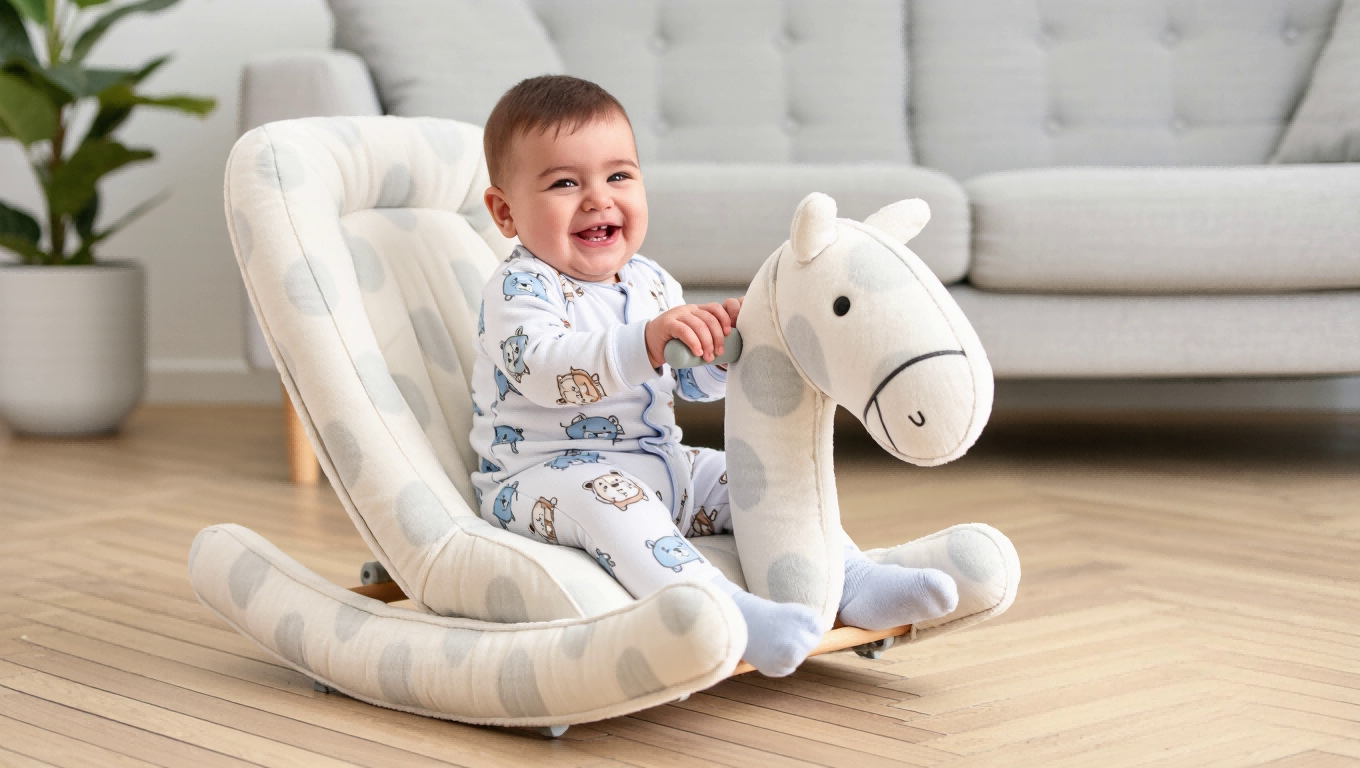
Helping a client choose the right product is one of the most important parts of my job. A rocking horse that's too big is intimidating and unsafe. One that's too small is boring. The key is to match the product to the child's specific developmental stage.
Age-Appropriate Features
For the youngest riders, typically 1 to 2 years old, safety and security are everything. I always recommend plush models9 with a full seat, almost like an armchair. These have a high back, side supports, and sometimes even a safety belt. They are low to the ground so the child feels secure. As children grow to ages 2 to 3, they are more confident. They can handle a classic wooden or plush horse with footrests and easy-grip handles. For kids aged 3 and up, they are ready for larger, more traditional rocking horses that allow for more vigorous and imaginative play.
Considering Materials and Theme
The material also plays a role. Plush horses are soft, cuddly, and great for little ones. Wooden horses are timeless, extremely durable, and easy to clean. The choice often depends on the target market. For example, my B2B clients in North America often look for cozy plush animals for the gift market, while many buyers in Europe prefer the classic aesthetic of wood. The theme is another factor. It doesn't have to be a horse! We have a database of over 8,000 SKUs, so we can match trends with rocking dinosaurs, unicorns, or llamas. This allows our clients to offer unique products without investing in new molds.
This table can help guide your choice:
| Age Group | Recommended Type | Key Features |
|---|---|---|
| 1-2 Years | Plush with Full Seat | Low height, high back support, and a wide base. |
| 2-3 Years | Classic Wooden or Plush | Footrests, easy-grip handles, and an anti-tip design. |
| 3+ Years | Larger Wooden Horse | A taller, more realistic design for big imaginative play. |
Conclusion
My journey into making rocking horses taught me they are essential tools for growth. A safe, well-chosen rocking horse supports a child’s development in countless, meaningful ways.
Discover how rocking horses can fuel your child's imagination, turning playtime into a creative adventure. ↩
Understanding the developmental purposes of a rocking horse can help you choose toys that support your child's growth and learning. ↩
Learn about the vestibular system and how rocking horses can strengthen this essential part of your child's development. ↩
Find out how rocking horses can aid in developing your child's gross motor skills, essential for physical activities. ↩
Uncover the ways rocking horses can boost cognitive development, enhancing your child's learning and problem-solving abilities. ↩
Learn about the importance of anti-tip stoppers in ensuring the safety of rocking horses for your child. ↩
Understand the significance of non-toxic materials in rocking horses to ensure your child's safety during play. ↩
Discover the safety standards EN71 and ASTM F963, ensuring the rocking horse you choose is safe for your child. ↩
Explore the benefits of plush rocking horse models, perfect for young children due to their softness and safety. ↩